
Food Literacy is the most powerful public health policy.
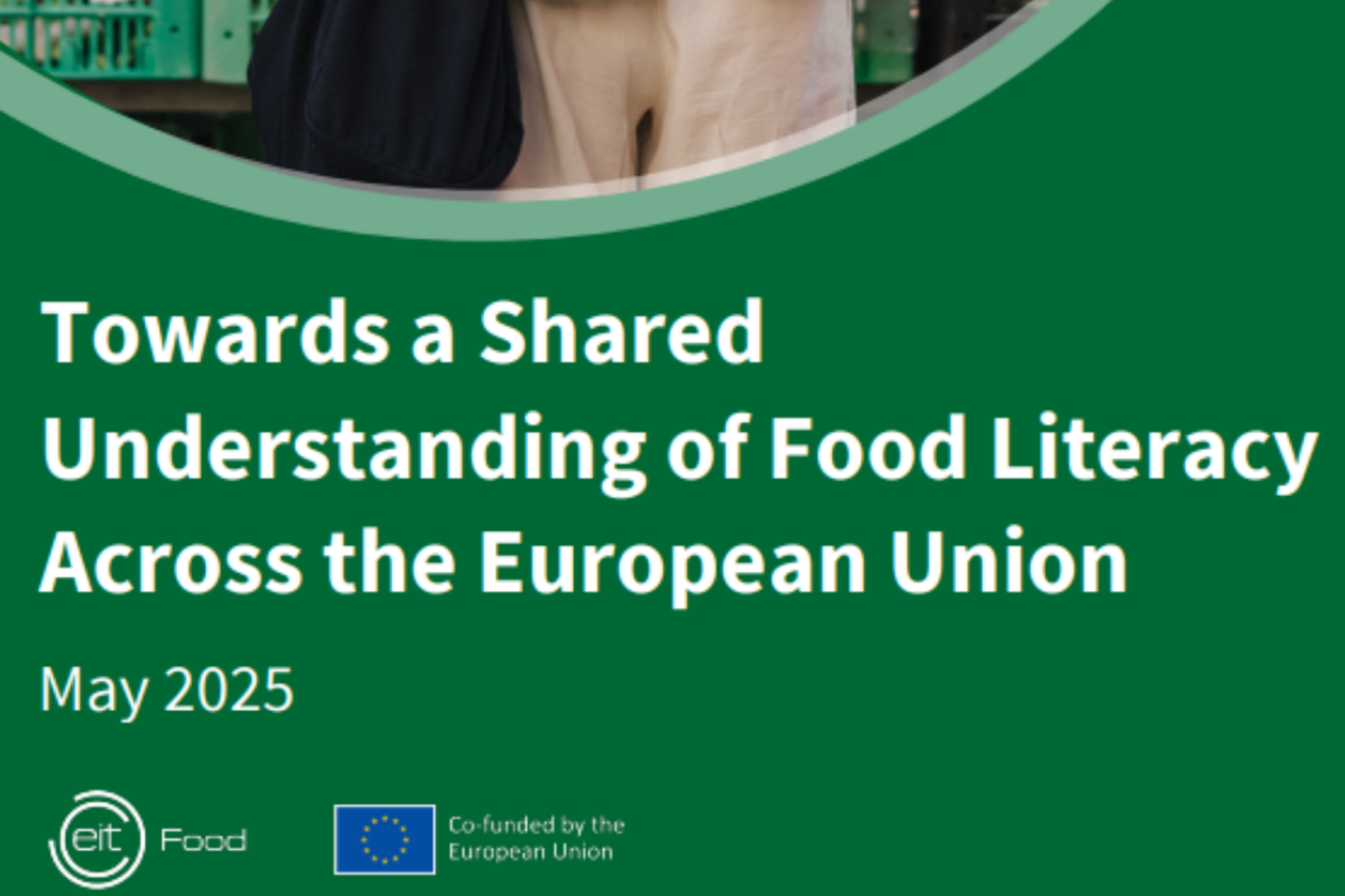
IMACE is embracing that "𝐅𝐨𝐨𝐝 𝐋𝐢𝐭𝐞𝐫𝐚𝐜𝐲 𝐢𝐬 𝐭𝐡𝐞 𝐦𝐨𝐬𝐭 𝐩𝐨𝐰𝐞𝐫𝐟𝐮𝐥 𝐩𝐮𝐛𝐥𝐢𝐜 𝐡𝐞𝐚𝐥𝐭𝐡 𝐩𝐨𝐥𝐢𝐜𝐲", as recently concluded by the report, commissioned by EIT Food and authored by the University of Gothenburg that sets out a shared, EU-relevant understanding of food literacy.
📑 Drawing on the EIT Food report, "𝐓𝐨𝐰𝐚𝐫𝐝𝐬 𝐚 𝐒𝐡𝐚𝐫𝐞𝐝 𝐔𝐧𝐝𝐞𝐫𝐬𝐭𝐚𝐧𝐝𝐢𝐧𝐠 𝐨𝐟 𝐅𝐨𝐨𝐝 𝐋𝐢𝐭𝐞𝐫𝐚𝐜𝐲 𝐀𝐜𝐫𝐨𝐬𝐬 𝐭𝐡𝐞 𝐄𝐮𝐫𝐨𝐩𝐞𝐚𝐧 𝐔𝐧𝐢𝐨𝐧", we stress that literacy is the key to cutting through the noise and making informed decisions:
1. 𝐅𝐚𝐜𝐭𝐮𝐚𝐥 𝐊𝐧𝐨𝐰𝐥𝐞𝐝𝐠𝐞 (𝐅𝐢𝐥𝐭𝐞𝐫 𝐭𝐡𝐞 𝐇𝐲𝐩𝐞):
Citizens must be equipped to distinguish credible, evidence-based nutrition information from sensationalized trends, simplistic classifications and misinformation. This is essential for filtering the daily barrage of conflicting diet advice.
2. 𝐏𝐫𝐨𝐜𝐞𝐝𝐮𝐫𝐚𝐥 𝐊𝐧𝐨𝐰𝐥𝐞𝐝𝐠𝐞 (𝐁𝐮𝐢𝐥𝐝 𝐭𝐡𝐞 𝐒𝐤𝐢𝐥𝐥𝐬):
A lack of practical food skills (cooking, preparing, storing) forces reliance on convenient, often less healthy or less diversified options. We must invest in culinary education to make sustainable food preparation realistic and efficient for everyone.
3. 𝐂𝐫𝐢𝐭𝐢𝐜𝐚𝐥 𝐑𝐞𝐟𝐥𝐞𝐜𝐭𝐢𝐨𝐧:
True literacy means understanding the wider social, economic and environmental context of our food choices, and recognizing how marketing, affordability and supply chains influence what we eat. 𝐅𝐨𝐨𝐝 𝐋𝐢𝐭𝐞𝐫𝐚𝐜𝐲 𝐢𝐬 𝐭𝐡𝐞 𝐦𝐨𝐬𝐭 𝐩𝐨𝐰𝐞𝐫𝐟𝐮𝐥 𝐩𝐮𝐛𝐥𝐢𝐜 𝐡𝐞𝐚𝐥𝐭𝐡 𝐩𝐨𝐥𝐢𝐜𝐲.
By developing these three dimensions across the population, we create resilient, educated citizens better equipped to drive a healthier, fairer, and more sustainable food system. Full report 👉 https://lnkd.in/eze4zrUN